
February 19, 2025
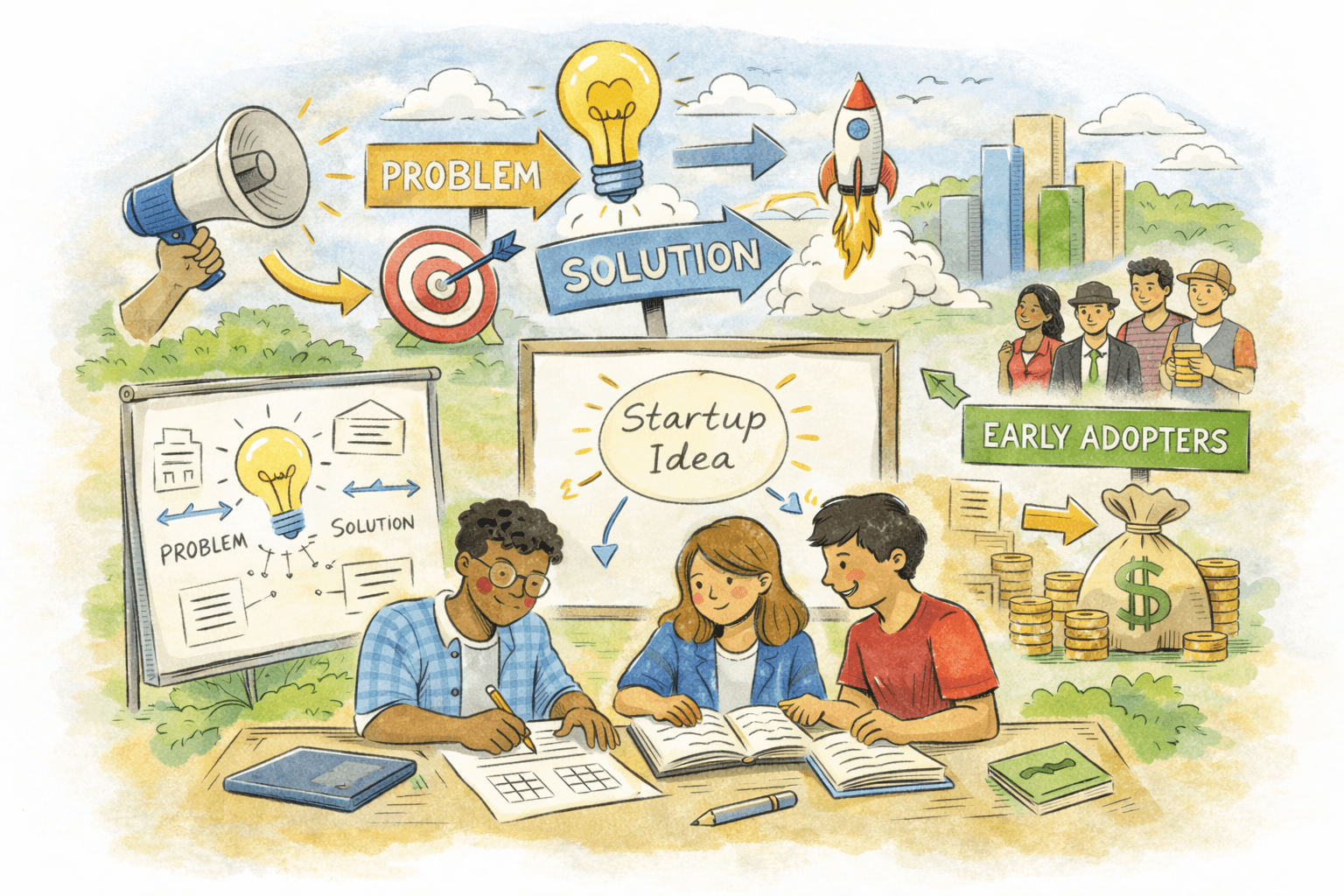
Giving children opportunities to expand the scale of their ambition matters. When students build something independently and see evidence that it changes the world around them, even in a small way, their internal model of what is possible changes.
Studies show that ambition predicts long-term outcomes beyond IQ and socio-economic background
A growing body of longitudinal research shows that ambition is a statistically significant predictor of long-term outcomes, even after controlling for intelligence, socioeconomic background, and personality traits.
In a large-scale meta-analysis of career outcomes, Timothy Judge et al. (2009) found that early-career ambition predicted lifetime earnings, leadership attainment, and rate of promotion over multi-decade horizons, with effect sizes comparable to cognitive ability. These relationships held true even after accounting for IQ, parental socioeconomic status, education, and Big Five personality traits.
Similar findings appear in sociological panel studies by Melvin Kohn and Carmi Schooler, which tracked individuals from adolescence into adulthood and showed that occupational aspirations independently predicted later occupational prestige and upward mobility, even when academic performance and family background were held constant.
From an economic perspective, James Heckman’s work on non-cognitive skills further demonstrates that future-oriented traits such as "aspiration and agency" meaningfully influence life outcomes by shaping decision-making under uncertainty—specifically which opportunities individuals pursue, tolerate risk for, or self-select out of.
Taken together, this evidence suggests that ambition functions less like a static personality trait and more like a driver of choice. It expands the set of options students seriously consider, and over time, that expanded option set compounds into large outcome differences.
Why building a company expands ambition levels in students
Most students don’t know what they’re capable of.
Not because they lack ability, but because their ambition is based on limited exposure. School trains students inside a closed system: clear rules, known outcomes, and rewards that don’t require validation from the outside world.
Building a company pushes them to think and act outside that system. For many students, it is the first time they operate in an environment where outcomes are not guaranteed, authority is absent, and feedback comes directly from the "real world". They talk to real people. They identify problems and build solutions independently.
When that solution works, evidenced by acquiring a first paying customer, the signal is unambiguous. It shows the students how their actions changed something in the real world.
Whether it’s an app that alters how users interact with AI tools (see our student venture HumanOS), or a service that changes how people respond to digital scams (see our student venture ScamKnight) - regardless of the product or the price - a paying customer marks a clear before-and-after state. The world is now undeniably different because of the student's ideas and actions.
Once students experience this even once, their frame of reference changes. They aim higher because higher now feels reachable. Risk feels more tolerable.
This is the point of no return. Not because they succeeded, but because they now understand that success is something they can produce, not wait for. That understanding fundamentally alters how they approach college, careers, and the possibility of creating change at scale.